Meal Prep Guides
Freezer Meal Prep Dinners That Reheat Well
The best freezer dinners are chosen for texture, not just convenience. Soups, saucy grains, bakes, dumplings, and braises usually win.
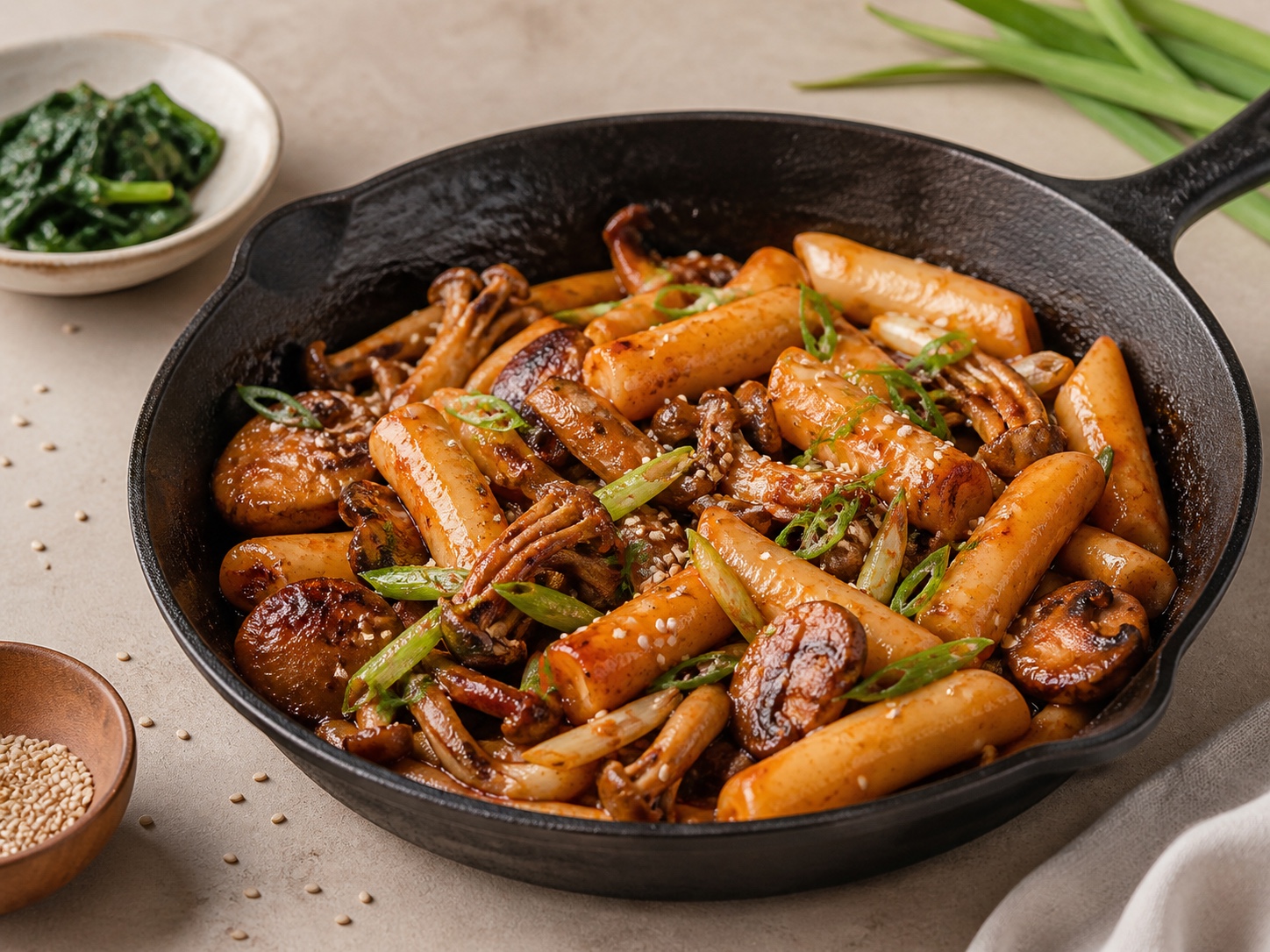
Choose recipes with forgiving moisture
Dry foods usually come back from the freezer tasting drier. Saucy food, broth-based food, braises, bakes, dumplings, beans, and grain bowls have more room to reheat well because moisture can move back through the dish.
That is why I prefer freezing soups, chili, saucy skillets, curry-style bowls, burrito bowl components, dumplings, and baked pasta over delicate salads or crisp roasted vegetables.
Freeze in the portion size you will actually use
A giant frozen block is technically meal prep, but it is not weeknight-friendly. Smaller containers thaw faster, reheat more evenly, and let you pull only what you need.
For soups and sauces, flat freezer bags or silicone cubes are useful. For full dinners, shallow containers beat deep ones because they cool and reheat more predictably.
Protect texture before freezing
Cool cooked food before freezing, leave a little headspace for expansion, and keep crunchy garnishes out of the freezer. Herbs, yogurt sauces, fresh cucumber, avocado, lettuce, and toasted nuts are finishing ingredients, not freezer ingredients.
If a recipe needs a fresh finish, write that on the container. A spoonful of yogurt sauce, lemon, herbs, pickles, or crunch can make a reheated dinner taste like a plan instead of a backup.
Reheat to a safe temperature
FoodSafety.gov guidance uses 165 F as the internal temperature target for reheated leftovers. For soups, sauces, and stews, reheating until fully hot and bubbling is the practical kitchen cue, but a thermometer is better for thick or uneven food.
USDA also notes that freezing keeps food safe almost indefinitely, but quality drops over time. I treat freezer dinners as a quality strategy first: label them, rotate them, and eat the older ones before making more.