Dinner Guides
High-Fiber Dinners That Are Not Just Salad
High-fiber dinners can be soups, bowls, pastas, curries, bakes, and skillets. The trick is making beans, lentils, vegetables, and whole grains feel like dinner.
Think in dinner formats, not diet formats
The easiest way to make a high-fiber dinner feel small is to start and end with salad. Salad can be great, but beans, lentils, cabbage, chickpeas, whole grains, vegetables, and potatoes also belong in warm dinners.
I think in formats first: soup, skillet, curry, pasta, rice bowl, stuffed pepper, enchilada bake, toast, or grain bowl. Then I decide which fiber-rich ingredient can carry the meal without making it taste like homework.
Give beans and lentils enough flavor
Beans and lentils need salt, fat, acid, and aromatics. Onion, garlic, ginger, tomato, cumin, smoked paprika, curry powder, vinegar, lemon, olive oil, yogurt, and herbs can make inexpensive pantry ingredients feel complete.
Texture matters too. Crisp some beans in a skillet, simmer lentils until creamy, roast chickpeas until the edges brown, or mash a few beans into a sauce so the dish has body.
Use vegetables for structure
Cabbage, sweet potatoes, peppers, mushrooms, greens, tomatoes, and carrots can do more than fill space. They create sweetness, body, moisture, and contrast.
A cabbage Alfredo works because the cabbage turns silky. A lentil dal works because spinach folds in at the end. A chickpea pasta primavera works because the vegetables make the pasta feel bright instead of heavy.
Keep the finish fresh
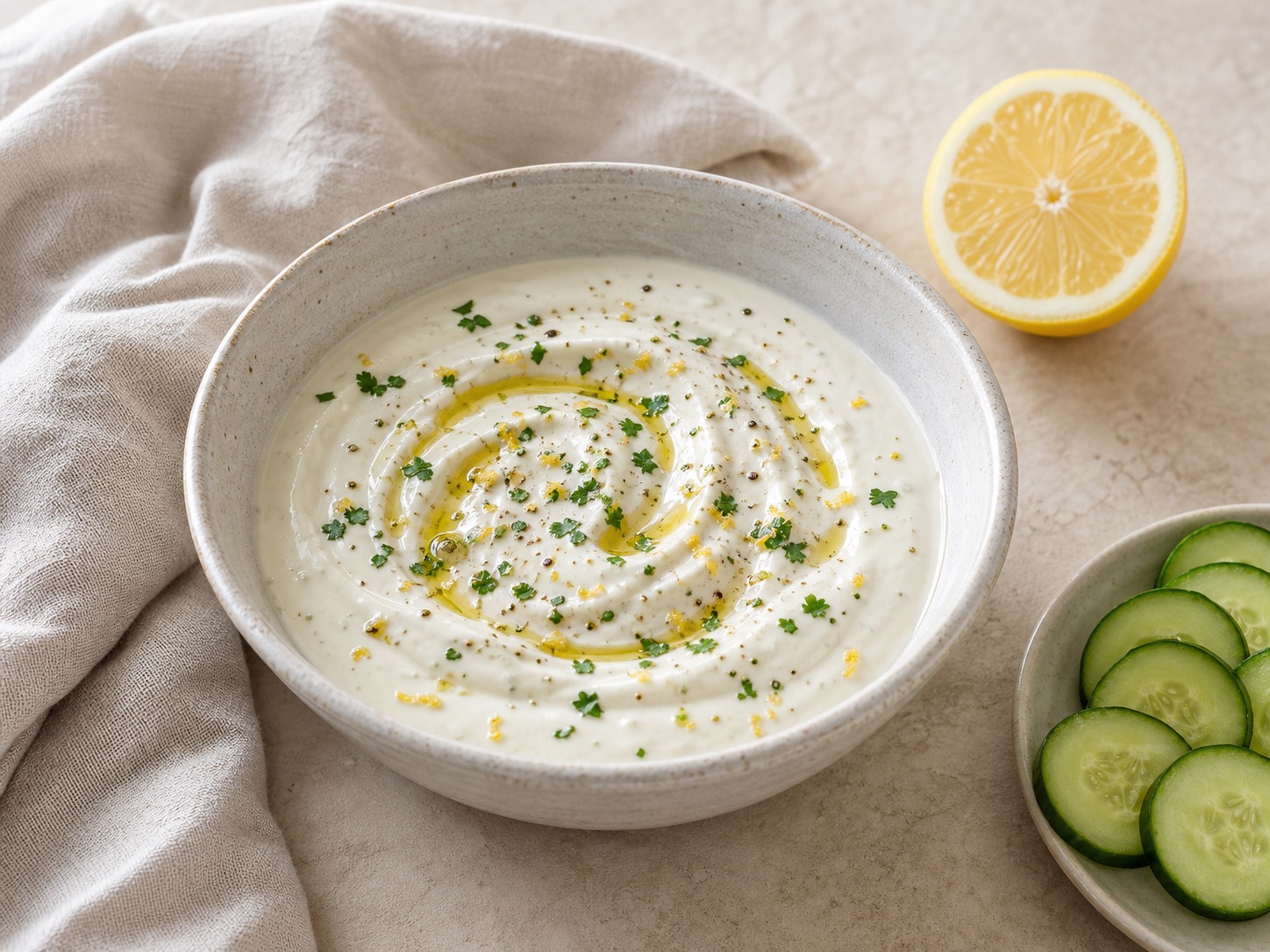
Warm, fiber-rich dinners often need a fresh finish so they do not feel dense. Lemon, lime, vinegar, yogurt, herbs, pickled onions, cucumber, salsa, or a crunchy topping can change the whole plate.
That last contrast is also what makes leftovers easier to eat. Reheat the soup, pasta, curry, or skillet, then add something fresh so dinner still feels deliberate on day two.