Meal Prep Guides
High-Protein High-Fiber Meal Prep That Still Tastes Good
A meal-prep system for dinners and lunches that use beans, lentils, chicken, fish, cottage cheese, tofu, rice, vegetables, sauces, and fresh finishes without making the week feel repetitive.
Start with a repeatable meal-prep format
The easiest high-protein high-fiber meal prep is not a row of unrelated containers. It is a repeatable format you can change without relearning dinner every week: rice bowls, grain bowls, bean skillets, soup jars, noodle salads, wraps, or freezer-friendly bakes.
Once the format is clear, the rest gets simpler. Pick one sturdy protein, one fiber-rich base, one vegetable that holds up, one sauce, and one fresh finish. That gives you meals that feel planned without tasting identical.
Use beans and lentils as structure, not filler
Beans, lentils, chickpeas, and edamame work best when they have a job. Mash some beans into a wrap filling, simmer lentils into a sauce, roast chickpeas for crunch, or fold white beans into pasta so the meal has body.
If beans feel flat, the problem is usually seasoning and texture. Add garlic, ginger, lemon, vinegar, salsa, chile crisp, herbs, yogurt sauce, pickles, toasted seeds, or something crisp so the container does not taste like pantry food.
Prep sauces separately when texture matters
Sauces make meal prep worth eating, but not every sauce belongs in the container from the start. Peanut sauce, yogurt sauce, herb sauce, cottage cheese ranch, chile crisp dressing, and lime crema usually taste better when packed separately.
Cooked sauces can stay with the food when that is the point of the recipe. Tomato bean sauce, curry, gumbo, chile, and saucy turkey rice bowls often improve as they sit. Fresh sauces are better added after reheating or right before lunch.
Plan one hot path and one cold path
A useful prep week has both a hot option and a cold option. The hot path might be rice bowls, soup, chili, pasta, or a freezer dinner. The cold path might be wraps, bean salads, noodle jars, cottage cheese bowls, or crunchy chicken salad.
That small split prevents meal-prep fatigue. If every container needs the microwave, lunch can feel heavy. If every container is cold, dinner can feel unfinished. One of each gives you more ways to use the same ingredients.
Finish with something fresh
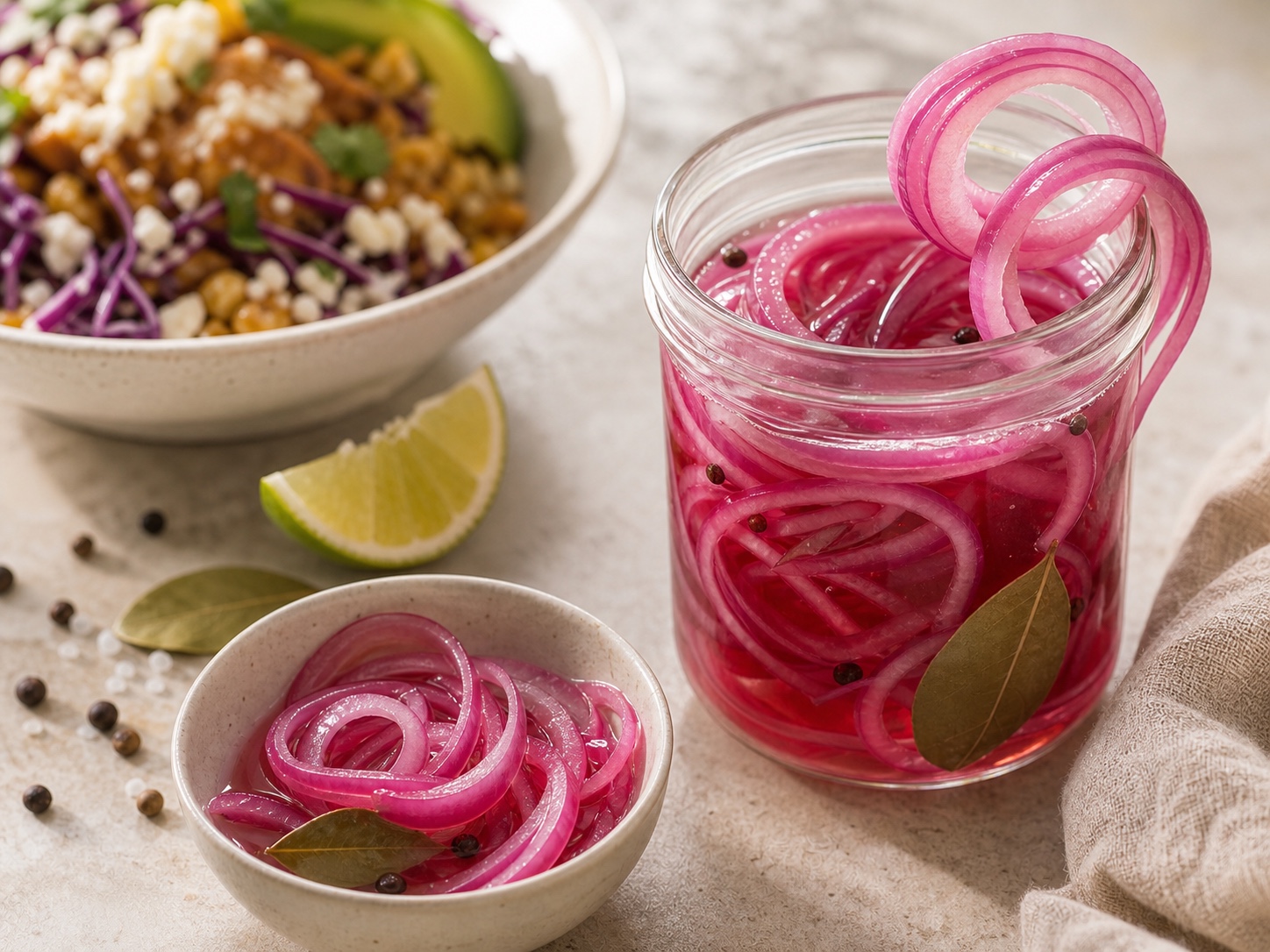
Protein-and-bean meals can get soft after a day in the refrigerator. The fix is not a more complicated recipe. It is a fresh finish: cucumber, cabbage, herbs, lime, lemon, pickled onions, hot sauce, toasted seeds, tortilla chips, or crisp lettuce.
Pack that finish separately when you can. Reheat the cooked base, add the sauce, then add the crisp or acidic piece last. That is what makes a repeated meal feel cooked instead of merely stored.