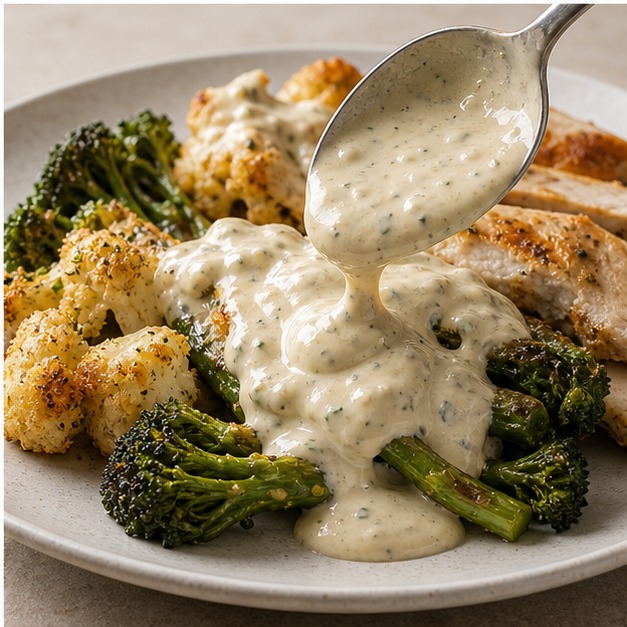
Sauce Building
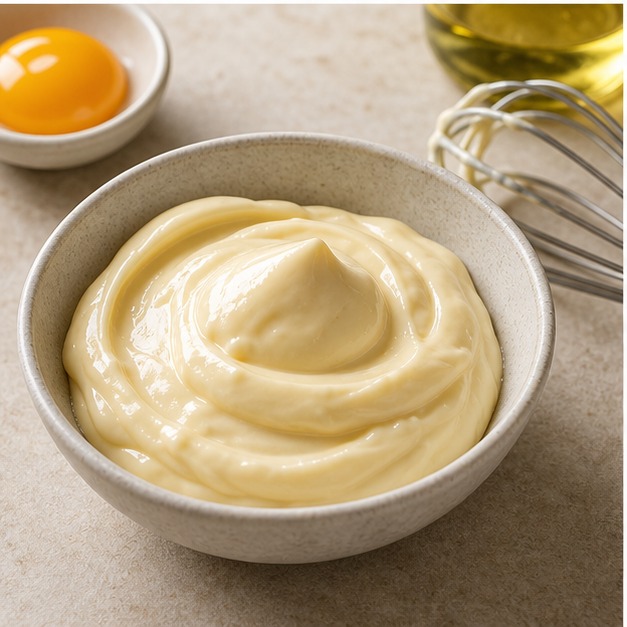
Emulsions for Vinaigrettes, Mayo, and Creamy Sauces
How to stabilize fat and acid with motion, acid balance, and timing.
- Dressings, aioli-like sauces, and quick mayo-style emulsions.
- Creamy pasta sauces and warm sauce-finishing steps.
- When a sauce begins to break and needs correction.
Step 1
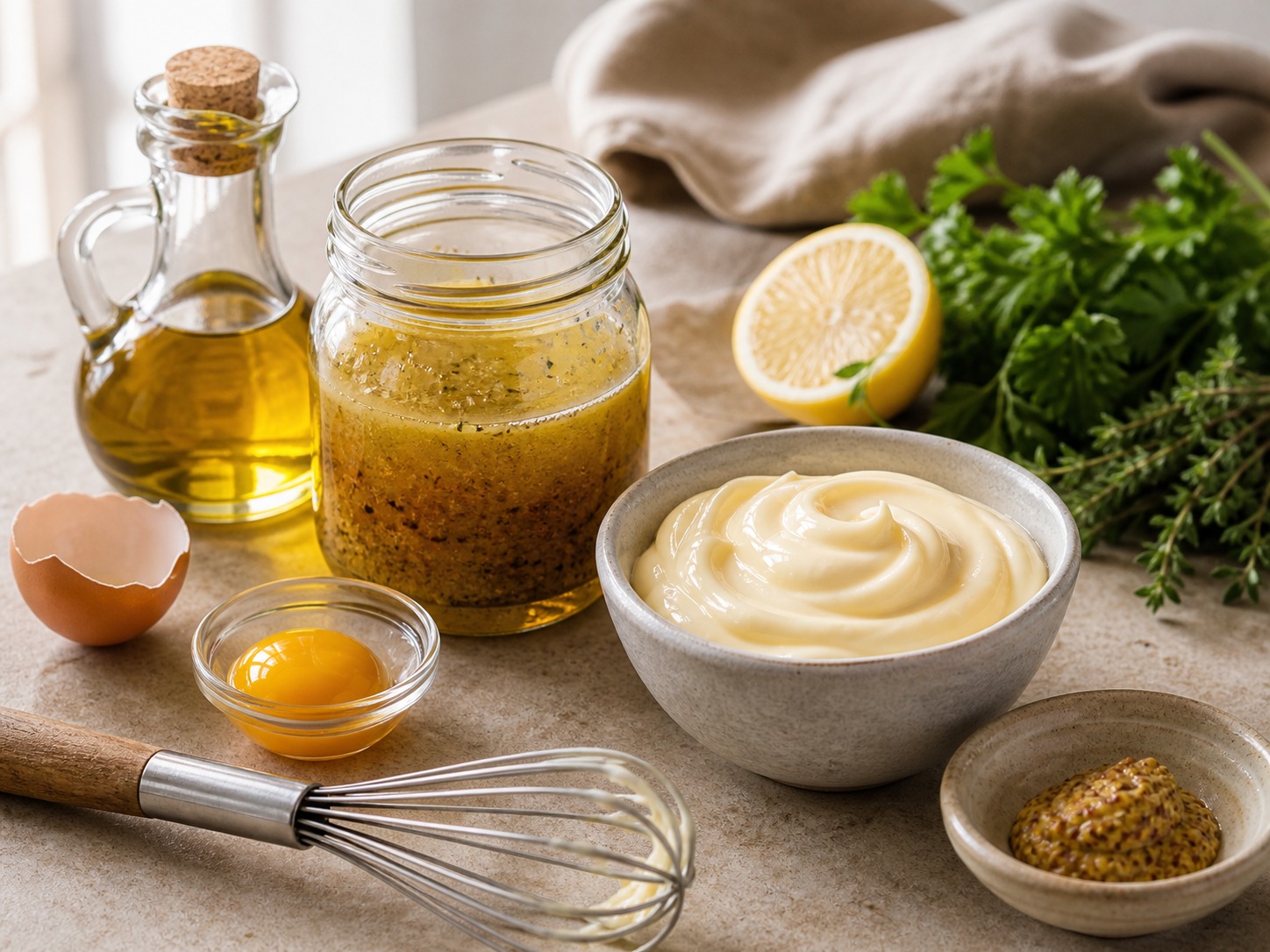
Phase and order are not optional
An emulsion depends on the oil entering at the right rate into an aqueous phase. Adding too much fat too fast is the main cause of splitting and grain.
Start by wetting the base with a small amount of liquid, then whisk in fat in a steady stream while maintaining momentum.
Step 2
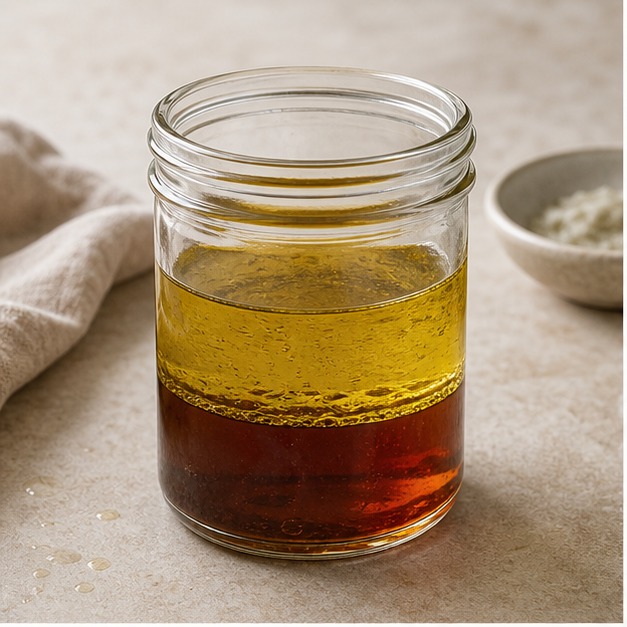
Use acid as both flavor and stabilizer
Acid shifts flavor and can help keep emulsion behavior smooth. But if acidity comes after an emulsion has already split, recovery is harder.
Build acid in stages, especially in mayo and creamy dressings, so the sauce stays cohesive.
Step 3
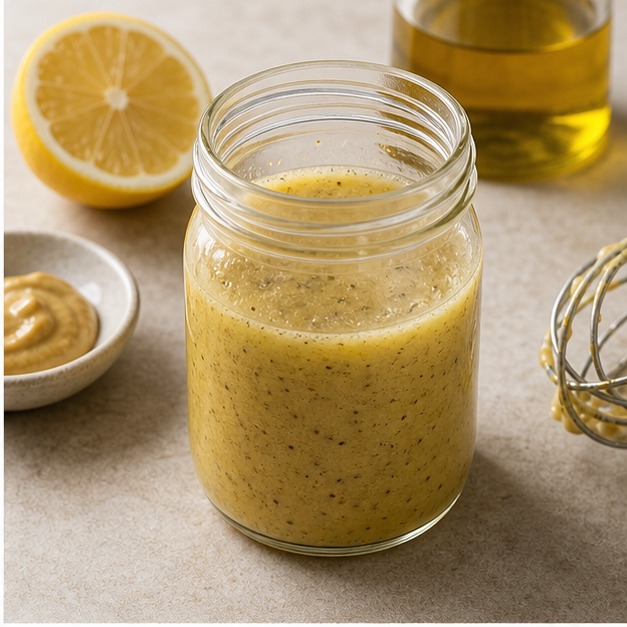
Rescue a broken sauce
If emulsion breaks, don’t give up on the batch. Transfer to a clean container and whisk in a new anchor: yolk, mustard, dairy, or a splash of warm water. Restart with a spoonful of the new anchor and reintroduce the old sauce slowly.
A broken sauce should stabilize in the second pass if the temperature is not too hot.
Step 4
Document stability in recipe notes
Recipes that use this technique should include a short correction note: slow whisk, cold ingredients, and no substitutions under heat shock.
This internal guidance is an SEO advantage too because users search for symptoms like “dressing separated” and “split mayo”—the page should answer that directly.