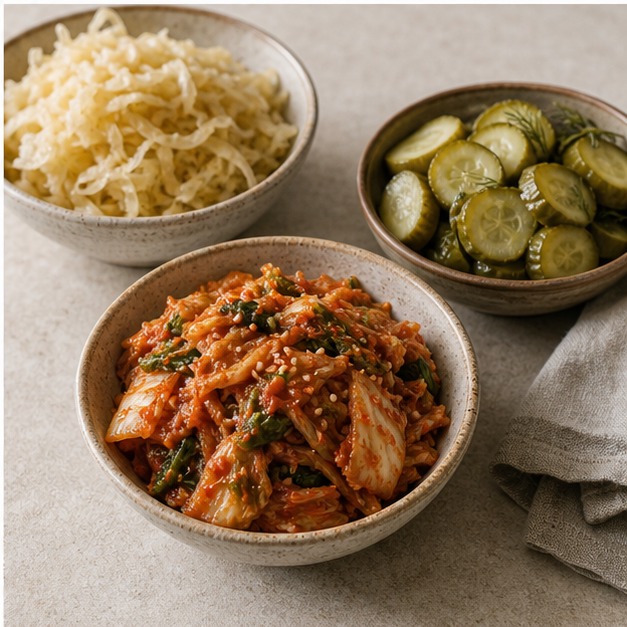
Flavor and Preservation
Fermentation Basics for Flavor and Preservation
Small controlled fermentation habits that improve depth, acidity, and keep quality.
- Pickles, sour elements, fermented condiments, and dough enhancements.
- Recipes needing brighter notes and long shelf life.
- Projects with repeat use where consistency matters.
Step 1
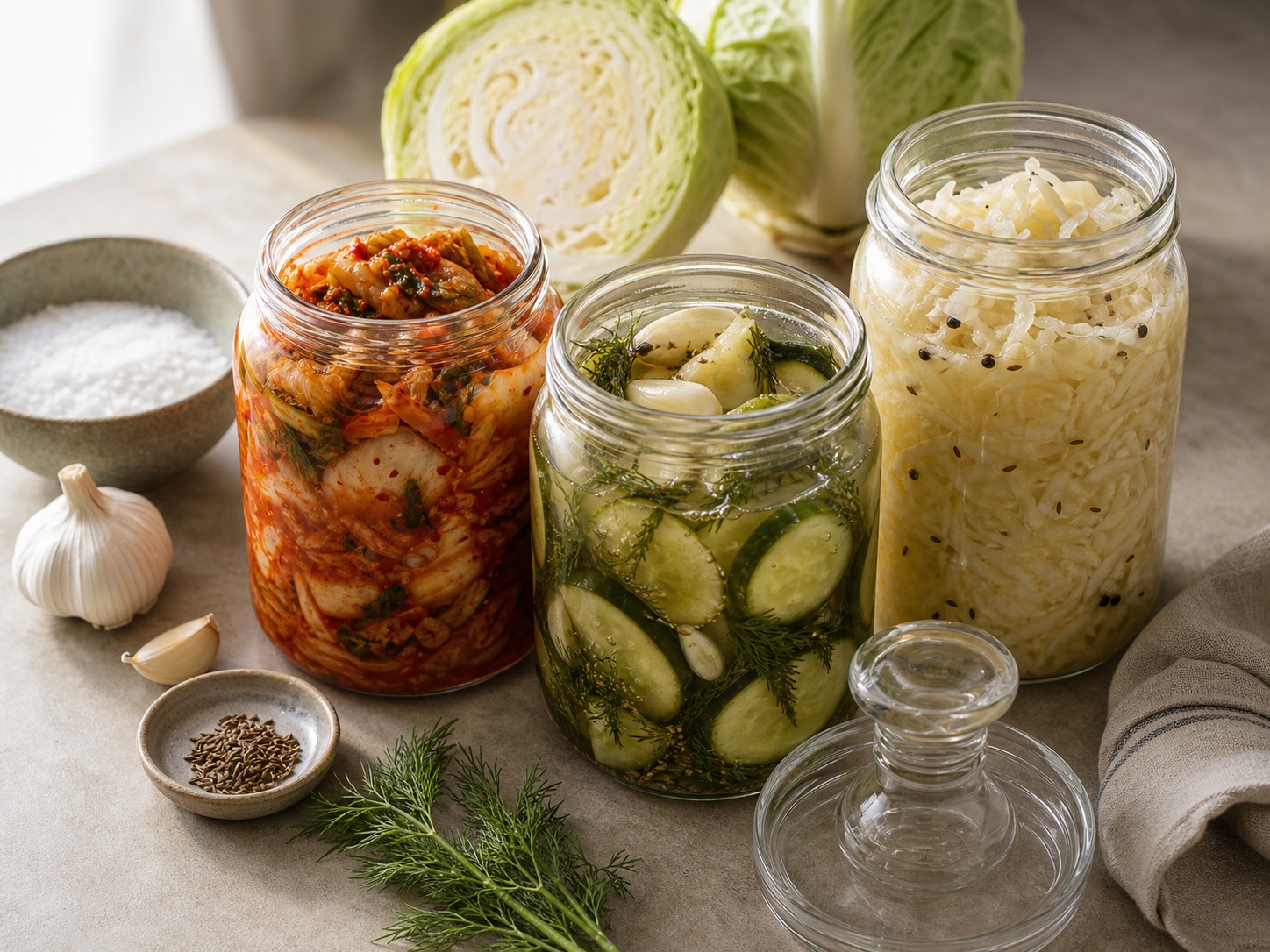
Pick controllable variables first
Fermentation is repeatable when salt, temperature, and oxygen limits are intentional. Start with modest salt and predictable containers.
Small batches are easier to learn from and avoid waste when flavor drifts.
Step 2
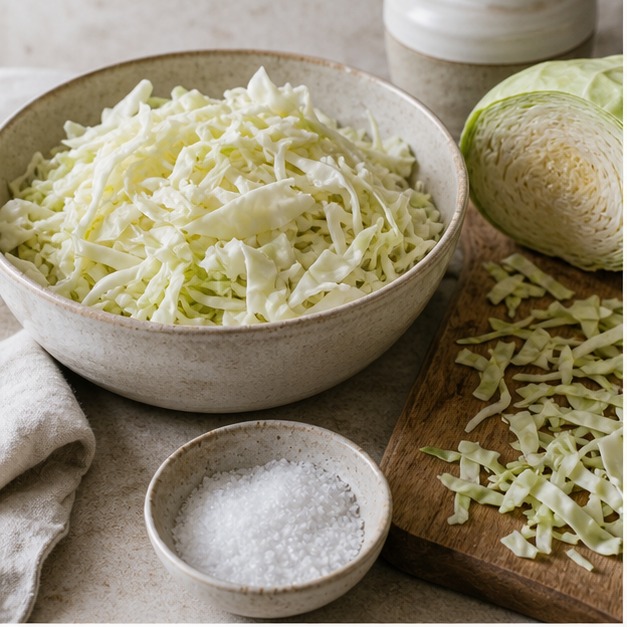
Monitor aroma, not just time
You can have the right clock time and still lose quality if temperature is too warm or too cold. Smell first, then taste, then document.
The right signal is usually progressive aroma complexity, not only surface bubbles.
Step 3
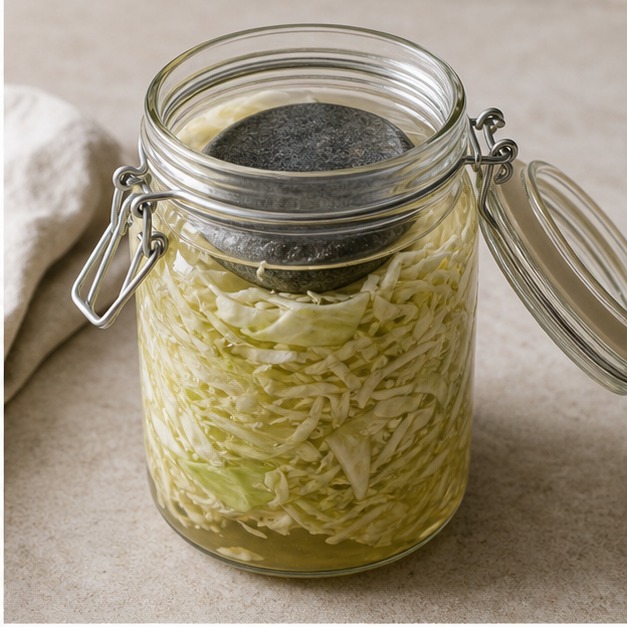
Temperature bands and cleanup
Most short-ferment projects need a steady cool ambient zone. Heat spikes produce weak flavor and over-acidity quickly.
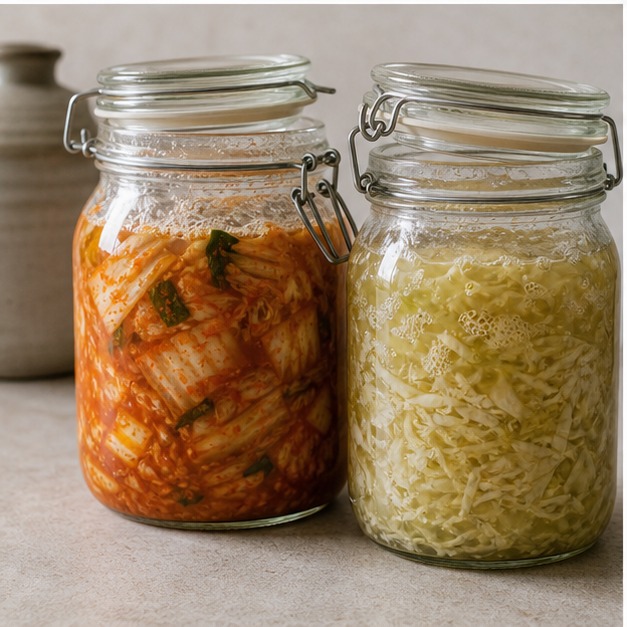
Keep production clean and lids loose to balance gas release while avoiding contamination risk.
Step 4
Use for recipe SEO pathways
Connect fermentation pages from sauces, soups, condiments, and dough recipes. Those pages should point here for controlled details on timing and fail-safe recovery.
Internal links in this direction improve topical depth for users searching for preservation and acid-forward technique tips.